Table of Contents
- 'Imminent Danger': Millions Set to Lose Medicaid, Food Benefits Once ...
- Fillable Online Highlights of the Centers for Medicare and Medicaid ...
- Thousands of Kansans losing Medicaid coverage as pandemic help ends
- New CMS Rule Ties COVID-19 Data Reporting to Medicare Participation ...
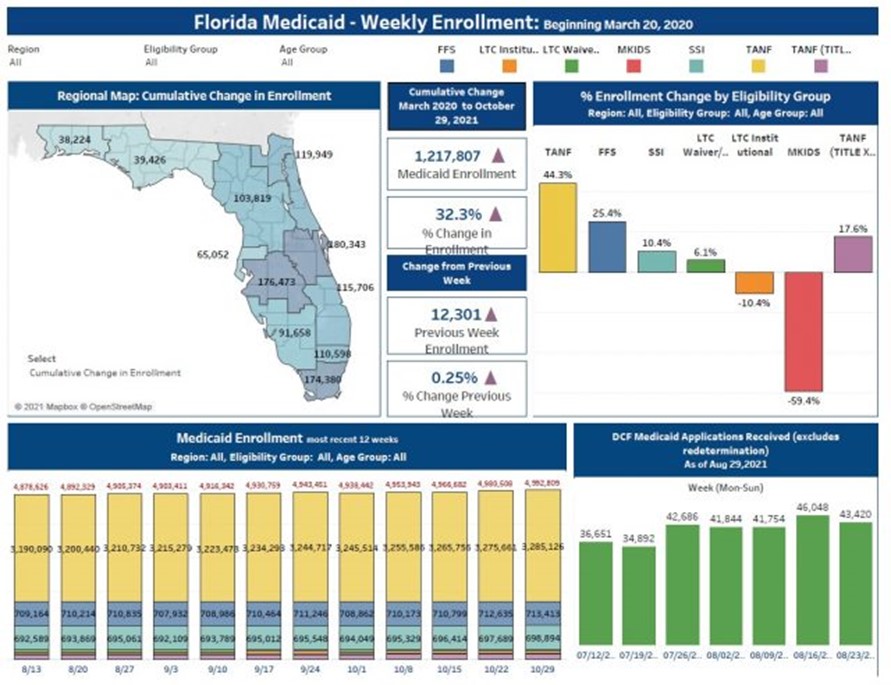
- Florida prepares for Medicaid disenrollment as end of PHE remains ...
- 2022 Medicaid Fraud Control Unit Data Shows Continued Focus on Criminal ...
- Winding Down Medicaid Enrollment When Health Emergency Ends ...
- The Centers for Medicare & Medicaid Services (CMS) data system ...
- Five Ways Medicaid Expansion Could Benefit The Economy And Main Street
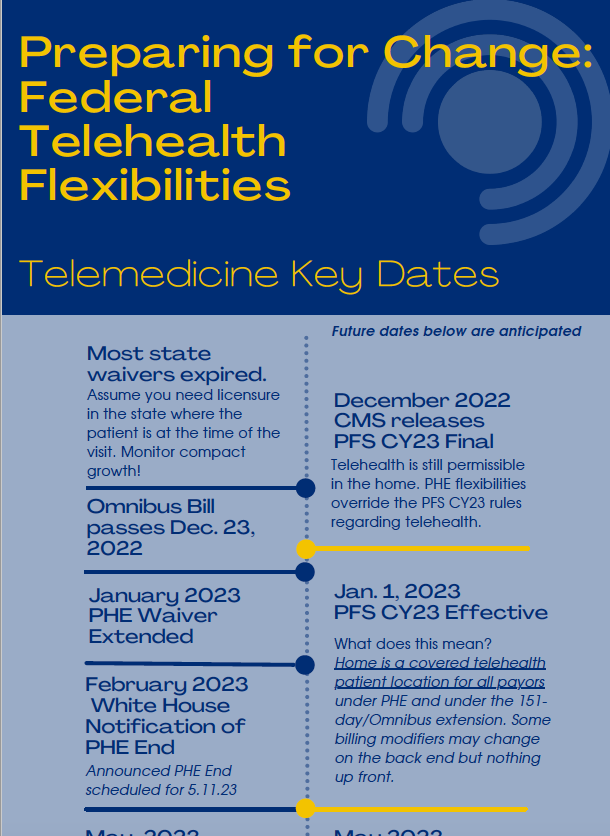
- Preparing for the end of the PHE - Provider communication | National ...


Potential Impact on Medicaid Beneficiaries


Consequences for Healthcare Providers

State-by-State Impact
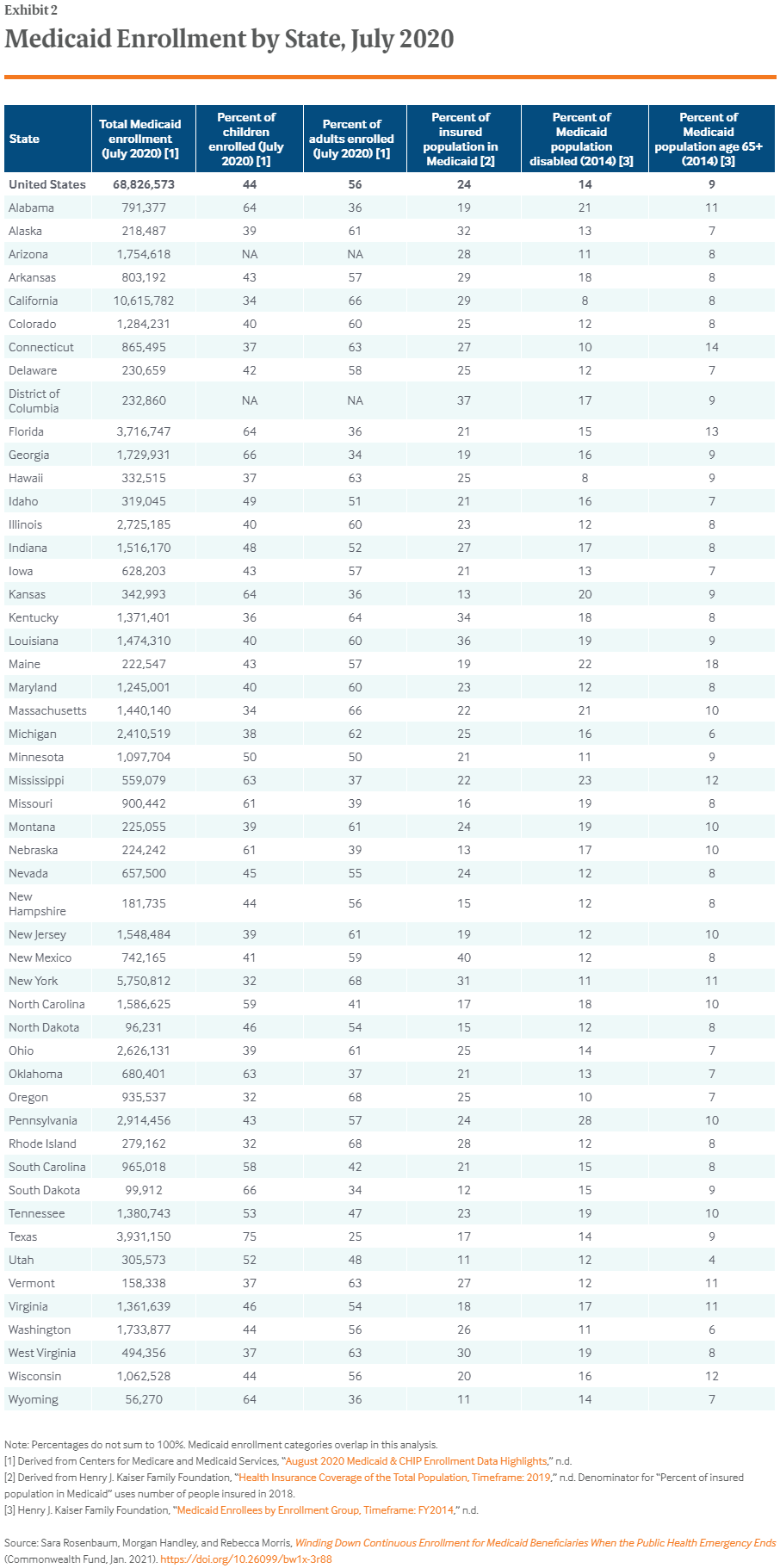
The potential Medicaid cuts would not affect all states equally. States with higher Medicaid enrollment rates, such as California, Texas, and Florida, would likely be disproportionately impacted. Additionally, states that have expanded Medicaid under the Affordable Care Act (ACA) would face significant challenges in maintaining coverage for their expanded populations.
Possible Solutions and Next Steps
While the potential Medicaid cuts are alarming, there are possible solutions and next steps that can be taken to mitigate the impact. These include: Advocating for alternative funding solutions, such as increased state funding or private investment Implementing cost-saving measures, such as value-based care and care coordination Exploring innovative delivery models, such as community health worker programs and telehealth services In conclusion, the potential $880 billion in federal Medicaid cuts poses significant risks to the healthcare system, beneficiaries, and providers. It is essential to understand the potential implications and work towards finding solutions to maintain access to essential medical care for millions of Americans. By exploring alternative funding solutions, implementing cost-saving measures, and promoting innovative delivery models, we can ensure that Medicaid continues to provide critical healthcare coverage to those who need it most.Source: Kaiser Family Foundation (KFF)
Note: This article is for informational purposes only and is not intended to provide medical or financial advice. If you have concerns about Medicaid or healthcare coverage, please consult with a qualified professional or visit the official Medicaid website for more information.